
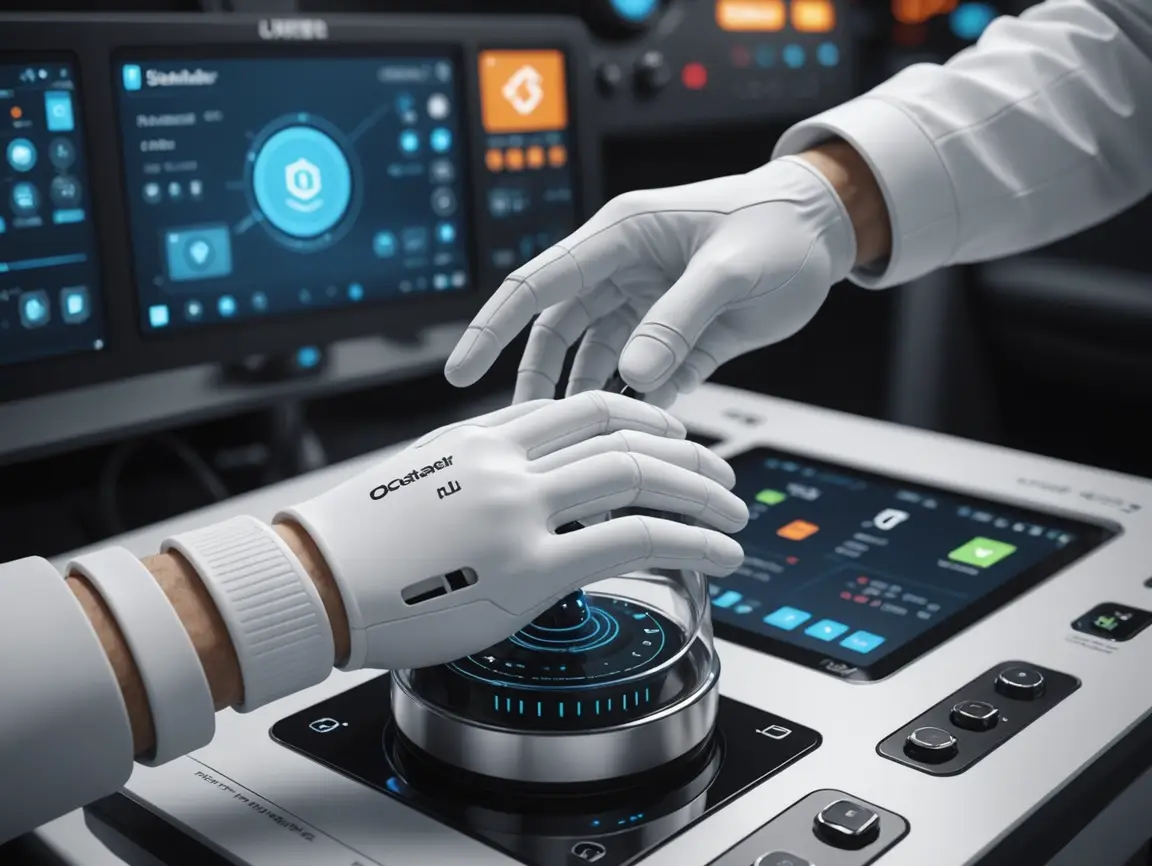
Most businesses still think automation means picking between cheap mass production or pricey human service. White-glove automation blends personalized service with efficient tech, letting you get both quality and scale—minus the usual compromises.
This approach uses smart systems to handle routine work. At the same time, it keeps that personal touch customers actually care about.

The magic really happens when you build systems that actually learn what each customer wants. Your automation tracks preferences, tweaks responses, and rolls out custom solutions without you lifting a finger.
You end up serving thousands of customers with the same care you once reserved for just a handful. Companies using this method see happier customers and lower costs, which is a pretty sweet combo.
And you don’t need a giant budget or a room full of engineers to get started. The trick is to focus on what your customers care about most, then automate everything else around it.
Key Takeaways
- White-glove automation delivers personalized service at scale by combining smart technology with human-centered design
- Success comes from automating routine tasks while preserving the personal touches that customers value most
- You can start small with focused automation projects and grow into comprehensive systems that boost satisfaction and reduce costs
Defining White-Glove Automation in Today’s Landscape

White-glove automation brings premium service standards together with intelligent technology to offer high-touch, personalized experiences. This approach puts quality and attention to detail first, while automation delivers the speed and efficiency.
The Essence of White-Glove Service in Automation
White-glove service has always meant exceptional attention to detail and personalized care. In automation, that means systems adapt to you, not the other way around.
Real white-glove automation keeps those human touchpoints where they matter most. You get automated efficiency, but you don’t lose that premium feeling.
The big difference? Customization and flexibility. Regular automation just follows a script. White-glove automation shifts and adapts based on your preferences and needs.
Your service provider keeps an eye on the automated processes. When things get tricky or you need real help, a human steps in.
Quality control stays front and center. Automated tasks get checked regularly to make sure they hit premium standards. That way, you don’t lose quality just to move faster.
How Automation Is Transforming Premium Experiences
Premium service providers now use automation to boost human expertise instead of replacing it. Smart scheduling systems learn your preferences and set up complex arrangements for you automatically.
Predictive analytics jump in to spot your needs before you even mention them. Service providers can fix issues or offer suggestions just by watching the data.
Real-time monitoring means the system catches problems fast. Automated alerts bring in human specialists when something needs a personal touch.
Communication automation keeps you in the loop, but doesn’t flood you with messages. You get updates the way you like, when you need them.
All the routine coordination? The tech handles it. That frees up human experts to focus on strategy and building real relationships.
Distinguishing True Value From Industry Hype
Genuine white-glove automation delivers real improvements in both service quality and efficiency. Look for providers who can actually show results, not just hype up a “revolution.”
If someone promises to cut out humans entirely or claims fully autonomous premium service, that’s a red flag. The best automation enhances people—it doesn’t erase them.
Judge automation by how well it fits your needs. Some platforms slap on “premium” branding but don’t actually deliver that white-glove feel.
Ask about human oversight protocols. You want clear ways for humans to jump in when needed.
Pick providers who invest in both their tech and their people. The best white-glove automation comes from skilled pros who know when to let the machines run—and when to step in themselves.
Technology Foundations: AI, Machine Learning, and Data Quality

White-glove automation stands on three tech pillars. AI handles the complex decisions, machine learning keeps improving results over time, and good data keeps everything running smoothly.
Core Roles of Artificial Intelligence and Machine Learning
Artificial intelligence acts as the brain of white-glove automation. It tackles scenarios that need more than simple rules.
Machine learning looks for patterns in your data and adapts on its own. You don’t have to spell out every possible situation—it just learns as it goes.
Key AI Functions:
- Pattern Recognition – Spots trends in customer behavior and outcomes
- Natural Language Processing – Understands what customers are asking for
- Predictive Analytics – Sees problems coming before they hit
Machine learning algorithms keep your automation sharp. They study what works and tweak their responses over time.
With both AI and machine learning, your systems handle exceptions better. Instead of breaking when something weird pops up, they look back at similar cases and make a smart call.
Ensuring Data Quality for Reliable Automation
Good data makes or breaks your automation. If your data’s a mess, your decisions will be too.
Critical Data Quality Factors:
| Factor | Impact | Solution |
|---|---|---|
| Completeness | Missing fields cause process failures | Implement validation rules |
| Accuracy | Wrong data leads to wrong decisions | Regular data audits |
| Consistency | Format variations break automation | Standardize data entry |
| Timeliness | Outdated data produces poor results | Real-time data updates |
You need clean, structured data flowing into your AI. Set up validation at every entry point so junk data doesn’t slip through.
Build monitoring that flags bad data right away. Catching issues early keeps your automation humming.
Don’t forget to clean house regularly. A weekly review of your data’s accuracy and completeness does wonders.
Selecting the Right AI Tools for White-Glove Solutions
Pick AI tools that fit your needs, not just what’s trending. Different jobs need different tools.
Tool Selection Criteria:
- Integration capabilities with your current setup
- Scalability for when your business grows
- Training requirements for your team
- Compliance features for your industry
Pre-built AI tools work great for things like document processing or routing customer service requests. They’re quick to set up and don’t need a lot of technical know-how.
If your business runs on unique processes, custom AI might be worth the extra time. You’ll get solutions tailored to you, even if it takes longer.
Sometimes, a hybrid approach is best. Use ready-made tools for the basics and build custom ones for the tricky stuff.
Always test tools with your real data before you commit. Most vendors let you try before you buy, so take advantage of that.
Personalization and Real-Time Insights at Scale
Modern automation systems process customer data on the fly. This lets you deliver targeted experiences across millions of interactions.
They mix behavioral analytics with dynamic content, so every user gets an experience that feels just for them, right in the moment.
Delivering Personalized Experiences Through Automation
Personalization engines analyze what customers do and serve up relevant content—no manual work needed. These systems track preferences, purchase history, and engagement to build detailed customer profiles.
Your automation platform can segment customers based on:
- Behavioral triggers – Cart abandonment, page views, time spent
- Purchase patterns – Frequency, product categories, seasonal trends
- Engagement levels – Email opens, click-through rates, social interactions
Machine learning keeps fine-tuning these segments. It updates recommendations and messaging every time someone interacts.
The system updates customer profiles automatically as preferences shift. No need for your team to fiddle with campaigns or data entry.
Your personalization engine tweaks emails, website layouts, and app interfaces to fit each customer in real-time. It’s all about delivering the right thing at the right moment.
Leveraging Real-Time Insights for Dynamic Customer Journeys
Real-time data lets your system tweak customer journeys on the fly. Analytics process behavioral signals in milliseconds to trigger the right response.
Your platform keeps an eye on engagement signals like:
| Signal Type | Response Time | Action Triggered |
|---|---|---|
| Page exit intent | <200ms | Retention popup |
| Product browsing | <500ms | Related recommendations |
| Support queries | <1 second | Automated assistance |
Dynamic mapping changes the next step based on what the customer does right now. If they’re ready to buy, the system shifts to conversion mode. If they’re just looking, it offers helpful info instead.
Your automation tracks micro-interactions, like mouse moves and scrolling, to guide the next touchpoint. It’s all super responsive.
Automation does the heavy lifting, but humans still step in for the tough stuff. When a complex question pops up, it goes straight to a real person.
Building Strong Brands With White-Glove Automation
Consumers today want premium service without the wait. Brands have to deliver that personal touch and stay competitive, which isn’t easy.
Smart automation helps you offer consistent white-glove experiences that actually build customer loyalty over time.
Evolving Brand Expectations in Automated Services
Your customers expect instant responses and flawless service every time they reach out. They want that white-glove attention, but with the speed and ease of automation. It’s a tall order, honestly.
Key customer expectations include:
- 24/7 availability for support and service
- Personalized recommendations based on past purchases
- Quick problem resolution without multiple transfers
- Consistent quality across all touchpoints
You can tap into AI to analyze customer data and predict what they’ll need—even before they ask. That way, you offer solutions that actually feel personal and thoughtful.
Let automation handle the routine stuff so your team can focus on the tricky problems. Your staff gets to build relationships instead of just processing the same requests over and over.
Smart brands use tech to boost human service, not replace it. The sweet spot? Automated efficiency meets human expertise, especially when things get complicated.
Consistency, Trust, and White-Glove Reputation
Your brand’s reputation really rides on delivering the same high-quality experience every time. Automation helps you keep those standards steady across all interactions.
Automation ensures consistency by:
- Following the same protocols for every customer
- Tracking all interactions in one system
- Maintaining quality standards 24/7
- Reducing human errors in routine processes
Trust grows when customers know exactly what to expect from you. White-glove automation creates reliable experiences they can count on.
You can track customer satisfaction and response times to measure your service quality. This data points you to areas where automation could use some tweaking.
Automated systems remember customer preferences and past issues, so people don’t have to repeat themselves. That shows you actually care about their needs.
Modern Storytelling: Advertising and Social Media Integration
Social media platforms have totally changed advertising. Now, it’s all about interactive storytelling that keeps up with how people consume content. Brands create automated experiences on TikTok and other platforms, but still try to keep things authentic.
Harnessing Social Media for Enhanced Brand Engagement
Social media has flipped the script on how you connect with your audience. It’s real-time conversations now, not just one-way ads.
Interactive storytelling works because your audience helps shape the story. You can run polls, reply to comments, and build stories from user feedback. It just feels more human that way.
Key engagement strategies include:
- User-generated content campaigns
- Behind-the-scenes storytelling
- Interactive polls and questions
- Real-time responses to trending topics
Authenticity matters. Audiences spot fake or over-polished content in a heartbeat. They want to see the real people behind your brand.
Visual storytelling is a must everywhere. Mix text, images, and video to tell your story. Each piece should stand alone but also fit into your bigger brand narrative.
Data shows you which stories hit home. Track engagement, comments, and shares to see what’s working. Use that info to tweak your storytelling over time.
Creative Storytelling Across TikTok and Emerging Platforms
TikTok has rewritten the rules for storytelling in ads. You get just a few seconds to grab attention, so you have to move fast. Creativity trumps production value there.
Short-form video means you have to rethink traditional storytelling. You’ve got 15 to 60 seconds for a beginning, middle, and end. It really forces you to focus on what matters most.
TikTok storytelling elements:
- Hook viewers in the first 3 seconds
- Use trending sounds and effects
- Keep messaging simple and clear
- Include a clear call-to-action
Every new platform has its own storytelling style. You need to tailor content for each one—what works on TikTok probably won’t fly on LinkedIn or Instagram.
User behavior shapes platform features. TikTok users want quick, fun content, while LinkedIn folks are after professional insights. Your stories should match what people expect on each platform.
Algorithms reward engagement, not just follower numbers. Your stories need to spark comments, shares, or saves if you want to reach more people. Basically, create content that gets people talking or offers real value.
Adapting Content Consumption Patterns to Automated Experiences
Your audience doesn’t consume content like they did five years ago. Attention spans are shorter, and people expect everything to be tailored to them. Automation helps you deliver the right story to the right person at the right time.
Automated storytelling uses data to customize narratives for different groups. You can create several versions of your story and let tech decide who sees what.
Automation opportunities:
- Personalized email narratives
- Dynamic social media content
- Chatbot storytelling sequences
- Targeted ad story variations
People jump between devices all day. Your story might start on their phone, move to a desktop, and finish on a tablet. Automation keeps your narrative steady across all those touchpoints.
Timing is everything with automation. You can schedule content to go out when people are most likely to engage. That gives your story a better shot at being seen and remembered.
Privacy concerns are real. You have to balance personalization with respect for user data. Being transparent about data use builds trust and helps with long-term engagement.
Leading the Future: Enterprise Examples and Sustainable Growth
Smart companies are moving past the automation hype and building real value with white-glove automation. GES shows how integrated systems work, while sustainable approaches focus on growth that actually lasts.
Case Study: GES and Integrated Automation in White-Glove Industries
GES shook up their event management by rolling out strategic automation. They kept the personal touch while scaling up efficiently.
They automated their booking and scheduling systems, but kept humans involved for client consultations. This cut processing time by 60%, all without losing that personal attention clients expect.
Key automation areas for GES:
- Client intake and initial setup
- Resource allocation and scheduling
- Real-time status updates
- Post-event reporting and analysis
Automation frees up your staff for more creative problem-solving and relationship building with clients.
Client satisfaction scores jumped 25% and operational costs dropped 30%. You get better service and improved margins at the same time—pretty compelling, right?
Driving Long-Term Value Beyond Short-Term Trends
Your automation strategy needs a solid foundation, not just flashy features that fade away. Focus on systems that grow with your business and can adapt as things change.
Sustainable automation priorities:
- Flexible systems that integrate with existing tools
- Scalable solutions that handle growth
- Training programs that build internal expertise
- Clear metrics that track real business impact
You dodge the usual pitfalls by picking proven technologies instead of chasing shiny new experiments. Reliable automation builds trust and keeps operations predictable.
Smart companies invest in automation that supports their core mission. White-glove service gets stronger when technology lifts up your people, not replaces them.
Long-term success comes from steady improvements—not wild overhauls. Competitive advantage grows through consistent execution and always refining your automated processes.
Frequently Asked Questions
White-glove automation blends premium service standards with smart technology to deliver customized customer experiences. If you want to implement it, you’ll need to plan around your industry, system integration, and how your team will adapt.
What is white-glove automation, and how does it differ from standard automation services?
White-glove automation delivers top-notch, personalized service using intelligent tech. It’s all about attention to detail, custom experiences, and standout support tailored to each customer.
Standard automation just aims for efficiency and cost-cutting. It handles routine stuff with basic responses and generic workflows.
White-glove automation digs deeper. It looks at customer preferences, adapts to unique situations, and offers personal interactions at every step.
The tech learns from customer behavior patterns, so it can anticipate needs and deliver proactive solutions—not just react to problems.
How can businesses implement white-glove automation to enhance customer service experiences?
Start by mapping out your customer journey. Figure out where personalization would mean the most.
Pick automation tools that work with your current systems. Look for solutions that can pull in customer data and history from all your platforms.
Train your automation using real customer interactions so it gets your brand voice and service standards.
Roll things out gradually and test what works. Keep an eye on customer feedback and adjust as needed.
Set up clear paths to human agents for the tough issues. The best automation knows when to hand things off for that personal touch.
What are the primary industries that could benefit from white-glove automation?
E-commerce gets a big boost from personalized recommendations and automated cart recovery. The tech can handle order tracking and customer questions while still feeling premium.
Service industries—think HVAC, plumbing, cleaning—use automated scheduling and follow-ups. These systems can juggle emergency calls and reminders without breaking a sweat.
Real estate pros use white-glove automation for qualifying leads and coordinating showings. The system answers property questions and manages client communications.
Healthcare providers lean on the tech for scheduling and patient communication. It helps with routine inquiries and keeps up with compliance.
Financial services tap into white-glove automation for onboarding and account management. Clients get personalized guidance and transaction support.
Can white-glove automation be integrated with existing enterprise resource planning (ERP) systems?
Absolutely—modern white-glove automation platforms are built to integrate with ERP systems. You’ll need proper API connections and solid data mapping, though.
Your automation tools can pull customer data, inventory, and order status straight from your ERP. That keeps everything flowing smoothly across the business.
Integration lets you update systems in real time. When customers ask questions, automation pulls accurate info from your ERP database.
Just make sure you set up data security and access controls. Only let the automation see what it needs to serve customers well.
Work closely with your tech teams to test everything before going live. That way, you avoid data conflicts and keep things running smoothly.
What are the key components to consider when developing a white-glove automation strategy?
Get clear on your customer service standards and brand voice. Your automation needs guidelines to deliver consistent, premium experiences.
Map out customer touchpoints and spot where automation can help—not replace—human interaction.
Pick tech that can learn and grow over time. Your system should get better as it collects feedback and sees more interactions.
Set up clear escalation rules for tricky situations. Decide when automation should pass a customer to a real person for help.
Plan for ongoing monitoring and tweaks. Regular check-ins help keep your automation meeting expectations.
Train your team to work with automated systems. Staff should know how to support and, when needed, override the automation.
How does the adoption of white-glove automation impact workforce dynamics and employee roles?
White-glove automation shifts your team’s focus away from routine tasks. People get to spend more time on complex problem-solving instead.
Customer service roles start to look a lot more consultative and relationship-driven. Employees now handle escalated issues that really need human judgment and a bit of empathy.
New positions pop up around automation management. You’ll want folks who can keep an eye on these systems, tweak them, and keep making them better.
Training suddenly matters a lot more. Your staff has to learn how to work alongside automated systems and adapt to these new workflows.
This technology cuts down on repetitive work. People find more satisfaction in focusing on meaningful customer relationships, not just basic data entry.
Employees also get new chances for career growth as they pick up skills in managing and optimizing automation tools. That opens up fresh advancement paths within your organization.